Ever wondered what lies beneath the shimmering surface of Waikiki’s popularity? It’s more than just a beautiful beach; the very name “Waikiki” holds a clue to its rich past, hinting at a time when freshwater springs shaped life on O’ahu. Understanding the waikiki meaning unlocks a deeper appreciation for this iconic destination.
At a glance:
- Discover the literal translation of “Waikiki” and its connection to freshwater springs.
- Explore Waikiki’s significance as a royal residence in ancient Hawai’i.
- Learn how Waikiki transformed from a source of fresh water to a world-renowned tourist destination.
- Understand the challenges of balancing tourism with preserving Waikiki’s natural and cultural history.
- Gain a new appreciation for the historical layers beneath the modern facade of Waikiki.
The “Spouting Water” Story: Unveiling Waikiki’s Name
The name “Waikiki” directly translates to “spouting water” in Hawaiian. “Wai” means water, and “kiki” means to spout, spurt, or gush. This wasn’t just a poetic name; it was a literal description of the area’s geography. Before the hotels and tourists, Waikiki was characterized by numerous freshwater springs that fed into streams and wetlands.
These springs and streams, like the now-underground Apuakehau Stream, were vital for ancient Hawaiians, providing drinking water, supporting agriculture (particularly taro patches), and serving as transportation routes. These waterways were more than just practical resources; they were interwoven with Hawaiian spirituality and daily life, shaping the very essence of the community.
Waikiki: A Royal Playground and Political Hub
Waikiki was more than just a source of fresh water; it was a favored residence for Hawaiian royalty. The abundance of natural resources and the tranquil environment made it an ideal location for their homes and gathering places.
- Royal Residences: Hawaiian chiefs and their families built their homes along the shores of Waikiki, enjoying direct access to the ocean and freshwater sources.
- Political Significance: Waikiki served as a significant political and social center. Royal gatherings, ceremonies, and important decisions took place here.
- Legends and Lore: Waikiki is steeped in Hawaiian legends and folklore. Stories abound of royal births, deaths, and significant events that shaped the area’s history. The sacred Pohaku Lele birthing stone is one example of Waikiki’s spiritual significance.
- Menehune Tales: Local folklore also includes stories of the Menehune, the mythical, small-statured people credited with building fishponds and temples throughout Hawai’i, including some in the Waikiki area.
This royal association reinforced Waikiki’s importance, elevating it beyond a simple geographical location to a place of power, prestige, and deep cultural significance.
From Springs to Sands: Waikiki’s Transformation
The transformation of Waikiki from a landscape of freshwater springs and royal residences to a global tourist destination is a story of modernization, development, and evolving perceptions of paradise.
- Early Tourism (Early 1900s): The seeds of tourism were sown with the establishment of the first hotels, most notably the Moana Surfrider in 1901. These early hotels catered to a small but growing number of visitors seeking a tropical escape.
- Post-War Boom (Mid-20th Century): World War II dramatically changed the trajectory of Waikiki. The war brought a surge of military personnel to Hawai’i, many of whom returned as tourists after the war. Increased air travel and a growing interest in exotic destinations fueled Waikiki’s explosive growth.
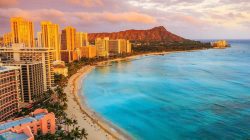
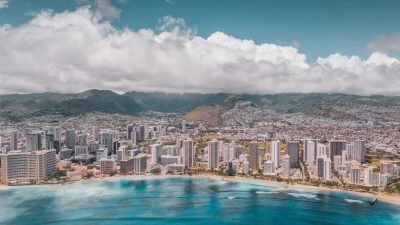
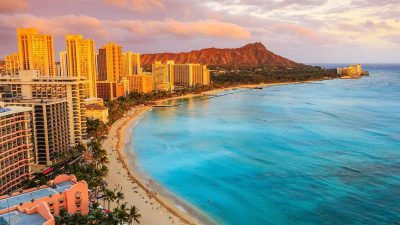
- Modern Waikiki: Today, Waikiki is a global tourist hub, attracting millions of visitors each year. Its beaches are world-renowned, lined with luxury hotels, shops, and restaurants. While the freshwater springs have largely disappeared beneath the concrete, the spirit of “wai” (water) remains in the ocean that draws so many to its shores.
Despite the significant changes, Waikiki retains traces of its historical and cultural significance. Efforts are underway to preserve and promote Hawaiian culture and history, ensuring that the spirit of old Waikiki lives on alongside the modern tourist destination.
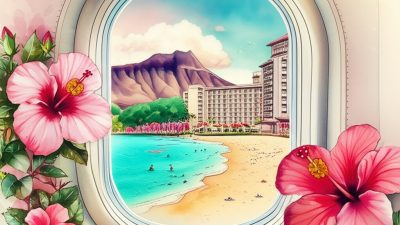
Explore Waikiki’s famous beach to gain a wider view of what makes Waikiki so popular.
Waikiki Today: Balancing Tourism and Tradition
The modern Waikiki faces the challenge of balancing its role as a major tourist destination with the need to preserve its natural environment and cultural heritage. The waikiki meaning serves as a reminder of what was lost and what still needs to be protected.
- Erosion Challenges: Waikiki Beach suffers from erosion due to shoreline development. Sand has been imported over the years to combat erosion, and ongoing replenishment projects attempt to address the issue sustainably. It is estimated that Waikiki Beach loses one foot of sand per year.
- Economic Engine: Waikiki generates a significant portion of Hawaii’s visitor revenue (42%), making it crucial to the state’s economy.
- Infrastructure: Kalākaua Avenue and Kūhiō Avenue serve as the main arteries of Waikiki, offering a mix of hotels, shops, restaurants, and nightlife.
- Cultural Preservation: Efforts are being made to incorporate Hawaiian culture into the Waikiki experience, through cultural events, public art, and educational programs. Statues of iconic Hawaiian figures like Duke Kahanamoku and Prince Jonah Kūhiō stand as reminders of Waikiki’s rich history.
The future of Waikiki depends on finding a sustainable balance between tourism, economic development, and the preservation of its unique natural and cultural resources. The waikiki meaning serves as a guide, reminding us of the importance of water, both as a physical resource and a symbol of life and renewal.
Preserving Waikiki’s Legacy: Practical Tips for Visitors
Want to experience Waikiki beyond the surface? Here’s how to connect with its history and culture:
- Visit Cultural Sites: Explore sites like the former site of the Pohaku Lele birthing stone or attend cultural events that showcase Hawaiian traditions.
- Learn the Language: Even a few basic Hawaiian phrases like “Aloha” and “Mahalo” can enhance your experience and show respect for the local culture.
- Support Local Businesses: Choose locally owned restaurants, shops, and tour operators to support the local economy and help preserve Hawaiian culture.
- Respect the Environment: Be mindful of the environment by reducing your waste, conserving water, and avoiding activities that harm the fragile ecosystem.
- Learn About Waikiki’s History: Read books, visit museums, and take guided tours to learn about Waikiki’s rich history and cultural heritage.
By taking these steps, you can become a more responsible and informed visitor, contributing to the preservation of Waikiki’s legacy for future generations.
Quick Answers: Common Questions about Waikiki’s Meaning and History
Q: Is Waikiki a natural beach?
A: While Waikiki is a beautiful beach, it’s important to note that it is largely man-made. Over the years, sand has been imported to combat erosion and maintain the beach’s sandy shoreline.
Q: What happened to the freshwater springs in Waikiki?
A: Most of the freshwater springs have been diverted underground due to urbanization and development. The Apuakehau Stream, once a prominent waterway, is now largely subterranean.
Q: Was Waikiki always a tourist destination?
A: No, Waikiki was originally a significant area for Hawaiian royalty and a source of fresh water for the local population. Tourism began to develop in the early 1900s and grew rapidly after World War II.
Q: How is Waikiki working to preserve its culture?
A: Waikiki is working to preserve its culture through cultural events, the incorporation of Hawaiian language and traditions into the visitor experience, and the preservation of historical sites.
Q: What does “wai” mean?
A: “Wai” means water in the Hawaiian language.
Your Waikiki Playbook: Connecting with the Past
Ready to go beyond the beach and discover Waikiki’s hidden depths? Here’s your quick-start guide:
- Research: Before you go, read about Waikiki’s history and cultural significance.
- Plan: Identify cultural sites and events you want to visit during your trip.
- Engage: Participate in cultural activities and interact with local residents.
- Reflect: Take time to appreciate the natural beauty of Waikiki and its connection to the past.
- Share: Share your experiences with others and encourage them to learn more about Waikiki’s history and culture.
By following these steps, you can gain a deeper understanding of Waikiki’s meaning and contribute to its preservation for future generations.
Waikiki is more than just a pretty beach; it’s a place with a rich history, a vibrant culture, and a deep connection to the natural world. By understanding the waikiki meaning – “spouting fresh water” – you can appreciate the layers of history beneath the sand and waves, and experience Waikiki in a whole new way.