Ever wondered how Waikiki transformed into the world-renowned beach paradise it is today? It’s a story that stretches far beyond sun and sand, intertwining history, significant transformations, and the influential figures that shaped its destiny. From its origins as a cherished sanctuary for Hawaiian royalty to the dawn of modern surfing, Waikiki’s evolution into a global hotspot is a captivating narrative. This article explores its humble beginnings, the ingenious practices of ancient Hawaiians, the profound impact of developments like the Ala Wai Canal, and the complexities of balancing economic growth with cultural and environmental preservation. Finally, it delves into innovative strategies for a more sustainable future for Waikiki tourism, drawing valuable insights from its remarkable past and present realities. For luxurious accommodations, consider the Halekulani Hotel.
The Genesis of Waikiki: From Royal Grounds to Thriving Ecosystem
Long before the era of bustling hotels and teeming tourists, Waikiki served as a revered sanctuary for Hawaiian royalty and a testament to sustainable living. Imagine verdant taro fields, known as loʻi kalo, stretching across the landscape, complemented by ingeniously crafted fishponds, loko iʻa, teeming with marine life. This sophisticated system, a harmonious blend of nature and human ingenuity, sustained the community for generations. Picture it as a meticulously balanced ecosystem, providing sustenance and fostering a deep connection to the land.
Royal Hawaiian Heritage and Resource Management
Waikiki, meaning “spouting waters,” was aptly named for the streams and springs that once crisscrossed the area, offering a fertile ground for agriculture and aquaculture. In the 1400s, High Chief Kalamakua spearheaded the construction of extensive loʻi kalo and intricate irrigation systems, transforming the wetlands into a productive agricultural hub. By the mid-1500s, the expansion of agriculture led to the construction of loko iʻa, with Kaʻihikapu, built by Kalamakua’s descendants, being one of the most renowned. These fishponds operated across Hawaiʻi, producing millions of pounds of fish annually.
This ancient way of life, spanning centuries, laid the foundation for Waikiki’s future trajectory. It offers a fascinating glimpse into a sustainable lifestyle, reminding us of how people thrived in harmony with their natural surroundings. Understanding this early history is crucial for appreciating the transformations that followed. Valuable lessons can still be gleaned from the ancient Hawaiians’ meticulous resource management, informing our approach to sustainability today.
- Waikiki originated as a royal retreat characterized by lush taro fields and ingeniously designed fishponds, showcasing the ancient Hawaiians’ innovative approach to sustainable living.
- This sophisticated system harmonized nature and human effort, sustaining the community for generations and emphasizing balance and resourcefulness.
- The ancient Hawaiians’ practices offer valuable insights for modern sustainability efforts by demonstrating how communities can thrive in harmony with their environment while preserving cultural and spiritual values.
The Western Impact: Transformation and Trade-offs
The late 1700s marked a turning point in Waikiki’s history with the arrival of Westerners, including Captain James Cook in 1778. The unification of the Hawaiian Islands under King Kamehameha I in 1795, following the Battle of Nuʻuanu, further shaped Waikiki’s destiny as it became a strategic location and a place of residence for the King.
However, this era also brought challenges. The introduction of new diseases, such as influenza, measles, and smallpox, decimated the Hawaiian population, leading to a decline in the workforce and disruption of traditional agricultural practices. Despite these challenges, the Hawaiian people demonstrated remarkable resilience, adapting to the changing landscape while striving to preserve their cultural heritage.
Economic Growth and Environmental Trade-offs
The mid-1800s witnessed a major turning point in Waikīkī’s history with the introduction of land reforms. Landmark legislation known as the Great Māhele aimed to transition landownership in Hawaiʻi from communal to private. This granted makaʻāinana (commoners) the right to claim ownership of land their families cultivated for generations.
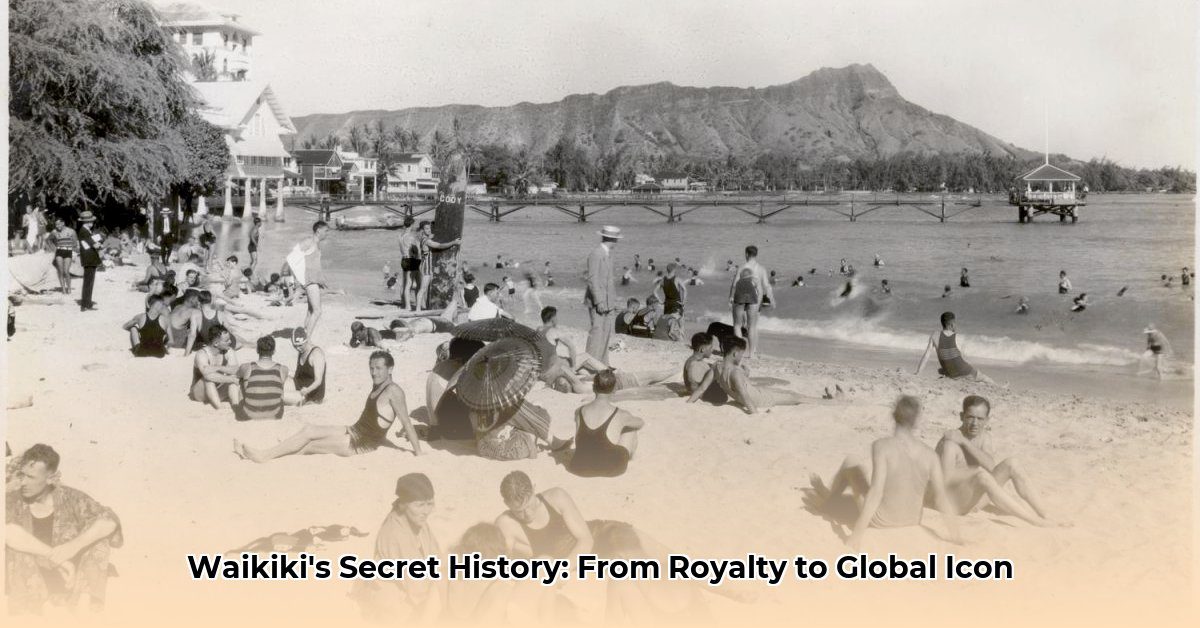
The late 1800s and early 1900s ushered in a dramatic shift, irrevocably altering Waikiki’s identity with the arrival of Westerners and the rise of the sugar industry. The construction of the Ala Wai Canal in the 1920s, while intended to facilitate development by draining the wetlands and mitigating mosquito-borne diseases, inadvertently disrupted the natural flow of the land and its waterways. This marked a pivotal moment—the dawn of modern Waikiki tourism. The canal, aimed at enhancing navigation and drainage, reshaped Waikiki’s landscape forever, reminding us that even well-intentioned developments can yield unforeseen consequences. Tourism brought economic prosperity and jobs, but at a price. The delicate balance of nature was disrupted, compelling traditional Hawaiian ways of life to adapt. Today, ongoing challenges like beach erosion serve as stark reminders. This complex issue demands careful consideration.
- The Ala Wai Canal was constructed to drain wetlands and control mosquitoes, enabling further development and tourism.
- This transformation led to the end of centuries of subsistence agriculture, paving the way for a tourism-based economy.
- While the canal facilitated economic growth, it also disrupted natural ecosystems and altered the landscape.
Waikiki Today: A Crossroads of Culture, Sustainability, and Modern Tourism
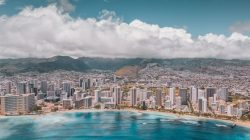
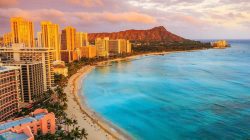
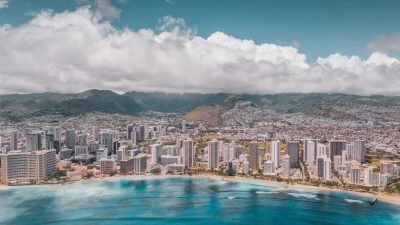
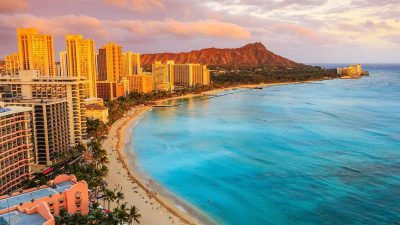
Waikiki stands at a crucial juncture, its history a compelling narrative of progress and challenges. It is a vibrant tapestry of high-rise hotels and bustling beaches, distinctly different from its past as a wetland of taro patches and fishponds.
The Waikiki we know today began to take shape in the early 20th century with the construction of iconic hotels like the Moana Hotel (1901) and the Royal Hawaiian Hotel (1927). These establishments played a pivotal role in establishing Waikiki as a prominent tourist destination.
Can it retain its unique charm while prioritizing sustainability and cultural preservation? This transcends mere economics; it’s about preserving a legacy. Experts advocate for a multifaceted approach—a collaboration among hotel owners, government agencies, environmental groups, and the local community. Short-term solutions include stricter environmental regulations and beach restoration projects. Long-term, there’s a need for sustainable tourism practices and proactive planning for issues like sea-level rise. Waikiki’s future hinges on learning from the past and fostering a sustainable future that respects both its history and its environment. However, the optimal path forward remains subject to ongoing research and varying perspectives.
Collaborative Stewardship for a Sustainable Tomorrow
Waikiki’s future as a global tourist hub depends on collaborative stewardship that balances economic growth with cultural and environmental preservation. This requires active participation from various stakeholders, including:
- Cultural Preservation Organizations: Developing educational programs and supporting preservation efforts to promote respectful tourism.
- Tourism Management Agencies: Implementing sustainable tourism initiatives and promoting responsible travel practices.
- Hotel and Resort Owners: Adopting environmentally friendly practices and investing in renewable energy sources.
- Government Regulatory Bodies: Enforcing environmental regulations and funding conservation projects.
- Environmental Conservation Groups: Monitoring environmental health and advocating for stricter protection measures.
- Local Community Representatives: Engaging in community-based tourism initiatives and promoting cultural understanding.
Balancing Tourism and Preservation: The Path to Harmonious Development
Waikiki’s transformation from a tranquil royal retreat to a vibrant global tourist destination is a remarkable story. However, this rapid growth presents significant challenges: How can we foster Waikiki’s continued prosperity while safeguarding its precious natural environment? It’s a delicate balancing act between economic progress and ecological preservation.
Waikiki’s Pristine Past and the Rise of Tourism
Imagine Waikiki before the influx of tourists—picturesque beaches surrounded by lush vegetation, the gentle rhythm of the waves, and the vibrant culture of native Hawaiians. This was Waikiki of old, a sanctuary for royalty and a testament to the island’s natural beauty, where early tourism was minimal and respectful of the land and its people. The arrival of large-scale tourism brought prosperity—new jobs, infrastructure development, and economic advancement—but this progress came at a cost, including habitat destruction, increased pollution, and erosion of cultural identity.
Sustainable Practices: Protecting Waikiki’s Natural Environment
Adopting sustainable tourism practices is key to navigating the path forward. Responsible land use planning must prioritize conservation efforts.
- Investing in Renewable Energy: Reduces the carbon footprint of hotels and businesses.
- Implementing Waste Management Programs: Comprehensive initiatives minimize environmental impact.
- Protecting Coastal Ecosystems: Effective measures are vital, including strict regulations and community involvement.
- Promoting Eco-Tourism: Encourages responsible activities with minimal environmental impact.
- Community Involvement: Integrating local knowledge for environmental stewardship.
- Stringent Regulations: Enforcing environmental rules to ensure sustainability.
Technology’s Role in Enhancing Sustainability
Technology plays a crucial role in monitoring and mitigating environmental impacts in Waikiki. Advanced monitoring systems track pollution levels and ecosystem health, while virtual reality experiences offer immersive explorations without harming the environment. These innovations enable the enjoyment of Waikiki’s offerings without environmental harm.
Collaborative Efforts for a Sustainable Future
Protecting Waikiki requires a collaborative effort. Government agencies, tourism operators, community groups, and visitors share a responsibility to find a sustainable balance, ensuring Waikiki remains breathtaking for generations.