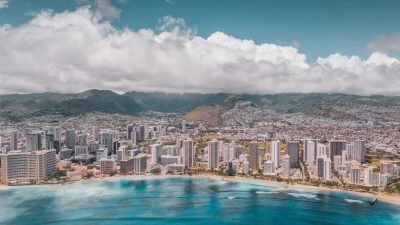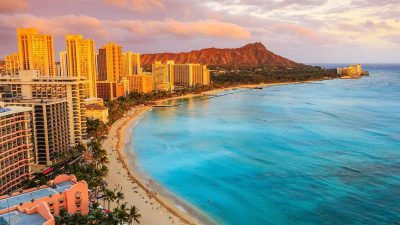
Ever wonder why Waikiki, seemingly a beach paradise, carries the name “Waikiki?” Hint: it’s not just about the surf. The answer lies in the area’s rich freshwater history, a vital part of ancient Hawaiian life that profoundly shaped what Waikiki is today. Understanding this “why Kiki Hawaii” moment unlocks a deeper appreciation for this iconic destination.
At a glance:
- Discover the original meaning of “Waikiki” and how it relates to freshwater springs.
- Learn about the historical significance of these waters to native Hawaiians.
- Understand how Waikiki transformed from a resource-rich area to a world-famous tourist destination.
- Explore preserved parts of Waikiki’s history and how they shape the area’s character.
- Gain practical insights into experiencing the real Waikiki beyond the tourist facade.
Waikiki’s Name: More Than Just a Pretty Beach
Waikiki, in Hawaiian, translates to “spouting fresh water.” This isn’t just a quaint historical footnote; it’s a key to understanding the area’s original allure. Before the high-rise hotels and bustling Kalakaua Avenue, Waikiki was a landscape dotted with freshwater springs, streams (known as awa), and wetlands. These waters weren’t just aesthetically pleasing; they were essential for life.
Freshwater: The Lifeblood of Ancient Waikiki
Imagine a Waikiki where taro patches thrived, fed by carefully managed irrigation systems. The freshwater sources were critical for:
- Drinking Water: Obvious, but vital. These springs provided potable water for the local population.
- Agriculture: Taro cultivation, a staple of the Hawaiian diet, depended on a consistent water supply.
- Aquaculture: Fishponds, ingeniously constructed, harnessed the tides and streams to raise fish, providing a reliable food source.
- Transportation: Streams were used as waterways to move goods and people through the area.
These resources explain why Hawaiian royalty favored Waikiki as a place of residence and recreation. Legends even speak of royal births taking place at sacred sites like Pohaku Lele.
The Transformation: From Wetlands to World-Class Destination
So, how did Waikiki transform from a water-rich agricultural area to the tourist mecca we know today? It’s a story of development, engineering, and, to some extent, loss.
- Early Tourism: The arrival of hotels like the Moana Surfrider in 1901 signaled the beginning of a new era. Tourists were drawn to the beaches and the promise of a tropical paradise.
- Channelization and Drainage: To accommodate development, many of the original streams were channelized or diverted underground. The most prominent example is the Apuakehau Stream, which now flows unseen beneath the city.
- Land Reclamation: Wetlands were drained and filled to create more land for building. While necessary for growth, this significantly altered Waikiki’s natural landscape.
- Post-War Boom: The post-World War II era saw an explosion of tourism, leading to even more hotel construction and infrastructure development.
This transformation, while bringing economic prosperity, also meant the loss of much of Waikiki’s original freshwater ecosystem. Understanding “why Kiki Hawaii” today involves acknowledging this complex history.
Preserving the Past: Glimpses of Old Waikiki
Despite the dramatic changes, remnants of Waikiki’s watery past still exist, offering glimpses into its former glory.
- Ala Wai Canal: While primarily designed for flood control, the Ala Wai Canal offers a sense of the scale of the former wetlands.
- Royal Hawaiian Hotel’s Coconut Grove: This iconic grove is a reminder of the area’s agricultural history.
- Historical Markers: Look for plaques and markers throughout Waikiki that tell the story of the area’s past.
- Cultural Centers: Organizations like the Polynesian Cultural Center offer insights into traditional Hawaiian lifeways, including water management practices.
Experiencing the Real Waikiki: Beyond the Beachfront
To truly understand “why Kiki Hawaii,” venture beyond the typical tourist hotspots:
- Visit the Waikiki Historical Society: Learn about the area’s history through exhibits and guided tours.
- Explore the Ala Moana area: While heavily developed, this area was once part of the vast wetlands that characterized Waikiki.
- Talk to local residents: Gain insights into the area’s history and culture from those who have lived there for generations.
- Support local businesses: Choose businesses that are committed to preserving Hawaiian culture and traditions.
- Consider a side trip to ʻIolani Palace to connect with the history of the Hawaiian monarchy. You can Explore Waikiki’s Beach & Resorts for a broader understanding of the area’s attractions and history.
Practical Playbook: Uncovering Waikiki’s Watery Secrets
Here’s how to delve deeper into Waikiki’s watery past during your visit:
- Do Some Pre-Trip Research: Before you go, read books, articles, and websites about Waikiki’s history.
- Start with the Moana Surfrider: This historic hotel offers a glimpse into Waikiki’s early tourism days. Take a self-guided tour and imagine what the area was like over a century ago.
- Walk Along the Ala Wai Canal: Observe the canal and reflect on its role in draining the former wetlands.
- Visit the Waikiki Aquarium: Learn about the marine life that thrives in the waters off Waikiki and the importance of ocean conservation.
- Attend a Cultural Event: Look for festivals, hula performances, and other events that celebrate Hawaiian culture.
- Explore Local Eateries: Try traditional Hawaiian dishes that incorporate ingredients like taro, which were cultivated in the area’s freshwater systems.
- Ask Questions: Don’t be afraid to ask locals about Waikiki’s history and culture.
- Respect the Culture: Remember that you are visiting a place with a rich cultural heritage. Be mindful of your actions and words.
Decision Tree: Which Waikiki Experience is Right for You?
- Are you interested in luxury and convenience? Choose a beachfront hotel and enjoy the shopping and dining options on Kalakaua Avenue.
- Are you on a budget? Look for accommodations away from the beach and take advantage of free activities like swimming, sunbathing, and hiking.
- Are you interested in history and culture? Visit the Waikiki Historical Society, attend a cultural event, and explore the Ala Moana area.
- Are you looking for adventure? Try surfing, stand-up paddleboarding, or snorkeling.
Quick Answers: Common Questions About Waikiki’s Past
Q: Was Waikiki always a tourist destination?
A: No. Before the arrival of Westerners, Waikiki was an important agricultural and residential area for native Hawaiians.
Q: Are there any natural springs left in Waikiki?
A: While most have been diverted or covered over, some smaller springs may still exist. Their exact locations are often closely guarded by local residents.
Q: Why was it necessary to drain the wetlands?
A: Drainage was seen as necessary to create land for development and to control mosquito populations.
Q: Is there any effort to restore Waikiki’s original ecosystem?
A: There is growing interest in restoring Waikiki’s natural environment, but significant challenges remain due to urbanization.
Q: What can I do to help preserve Waikiki’s history and culture?
A: Support local businesses, learn about Hawaiian culture, and be respectful of the environment.
Actionable Close: Appreciate the Layers of Waikiki
Understanding “why Kiki Hawaii” provides a deeper appreciation for this iconic destination. It’s not just about the beaches and hotels; it’s about the freshwater springs, the agricultural heritage, and the resilience of Hawaiian culture. By exploring Waikiki’s past, you can gain a richer and more meaningful travel experience.