Finding the Best Part Of Oahu To Stay: Your Personalized Guide
Deciding on the best part of Oahu to stay can feel overwhelming. With bustling cityscapes, tranquil beaches, and everything in between, how do you pinpoint the perfect match for your dream Hawaiian vacation? This guide breaks down the island’s distinct regions, helping you choose based on your priorities, budget, and travel style.
At a Glance:
- Match your vibe: Discover Oahu’s diverse regions, from lively Waikiki to serene North Shore.
- Align with your budget: Find the ideal area based on accommodation costs and activity expenses.
- Plan with ease: Learn which areas cater to families, couples, adventure seekers, or those seeking a peaceful escape.
- Make informed choices: Avoid common pitfalls in choosing your Oahu base.
- Gain insider tips: Get the local perspective on each region’s hidden gems and must-know facts.
Oahu’s Regions: A Quick Personality Quiz
Oahu is more than just Waikiki. Understanding the character of each region is key to finding your perfect base. Think of it like this:
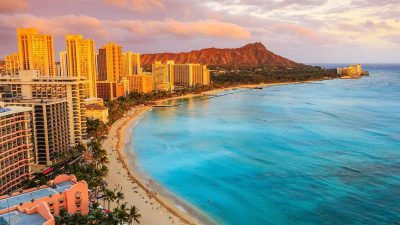
- Waikiki/Honolulu: The Social Butterfly. Non-stop action, dining, shopping, and nightlife. Perfect for first-timers and those who love a vibrant atmosphere. Expect crowds and higher prices.
- North Shore: The Adventurer. Legendary surf, laid-back vibes, and stunning natural beauty. Ideal for surfers, nature lovers, and those seeking a more authentic Hawaiian experience.
- Leeward Coast (Ko Olina, Kapolei, Waianae/Makaha): The Relaxer. Sun-drenched beaches, resorts, and family-friendly activities. Great for those seeking relaxation and a less crowded experience.
- Windward Coast (Kailua, La’ie): The Nature Enthusiast. Lush landscapes, calm waters, and a slower pace of life. Perfect for kayaking, hiking, and exploring hidden gems.
- Central Oahu: Doesn’t typically attract tourists as it’s more residential and agricultural, but offers a look into local life.
Deciding Factors: Aligning Your Priorities with the Right Region
Several factors influence the “best” part of Oahu to stay. Consider these questions:
- What’s your budget? Waikiki and resort areas like Ko Olina tend to be pricier. The North Shore offers more budget-friendly options like vacation rentals and hostels.
- Who are you traveling with? Families might prefer the calm waters and activities of Ko Olina or the convenience of Waikiki. Couples seeking romance might enjoy the secluded beaches of the Windward Coast.
- What are your must-do activities? Surfers will gravitate towards the North Shore, while shoppers will love Waikiki and Ala Moana.
- What’s your preferred pace? Do you thrive in a bustling environment or prefer a peaceful retreat?
Waikiki/Honolulu: The Heart of Tourism
Waikiki pulsates with energy. Here’s why it’s a popular choice:
- Pros: Unbeatable convenience, abundant dining and shopping, diverse hotel options, iconic Waikiki Beach.
- Cons: Crowds, higher prices, potential for traffic congestion, can feel overwhelming for some.
Who should stay here? First-time visitors, families seeking convenience, those who enjoy nightlife and shopping, and anyone who wants to be in the center of the action.
Accommodation Examples: The Royal Hawaiian Hotel (luxury), Beachcomber by Outrigger (moderately priced).
North Shore: Surfing Paradise and Laid-Back Vibes
The North Shore is legendary for its massive winter waves.
- Pros: World-class surfing, stunning beaches, a more authentic Hawaiian experience, budget-friendly accommodation options.
- Cons: Can be remote, limited dining and shopping options compared to Waikiki, waves can be dangerous for inexperienced swimmers in winter.
Who should stay here? Surfers, nature lovers, those seeking a more relaxed and authentic Hawaiian experience, and budget-conscious travelers.
Accommodation Examples: Turtle Bay Resort (luxury), various vacation rentals and hostels.
Leeward Coast: Sun, Sand, and Relaxation
The Leeward Coast offers a drier climate and a more laid-back atmosphere.
- Pros: Sunny weather, beautiful beaches, family-friendly resorts, less crowded than Waikiki.
- Cons: Can be remote, limited dining and entertainment options outside of resorts, traffic congestion can be an issue in Ko Olina.
Who should stay here? Families seeking relaxation, those who prefer resorts and golf courses, and anyone who wants to escape the crowds of Waikiki.
Accommodation Examples: Aulani, a Disney Resort & Spa, Four Seasons Resort at Ko Olina (luxury).
Windward Coast: Lush Landscapes and Hidden Gems
The Windward Coast boasts stunning scenery and a slower pace of life.
- Pros: Beautiful beaches, lush landscapes, calm waters perfect for kayaking, less crowded than Waikiki.
- Cons: Can be rainy, limited dining and shopping options, requires a car to explore.
Who should stay here? Nature lovers, kayakers, hikers, and those seeking a peaceful and authentic Hawaiian experience.
Accommodation Examples: Vacation rentals in Kailua and La’ie.
Kapolei: A Growing Family-Friendly Hub
Kapolei, often called Oahu’s “second city,” has seen significant growth.
- Pros: Family-friendly atmosphere, more affordable than Waikiki, access to water parks and golf courses.
- Cons: Further from Honolulu and other major tourist attractions, requires a car to get around, developing area with ongoing construction.
Who should stay here? Families looking for a more affordable and less crowded alternative to Waikiki.
A Practical Playbook: Choosing Your Ideal Location
Here’s a simplified decision tree to guide your choice:
- What’s your primary goal? (Relaxation, adventure, nightlife, budget travel)
- What’s your budget? (Luxury, mid-range, budget)
- Who are you traveling with? (Family, couple, solo)
- What activities are most important to you? (Surfing, shopping, hiking, swimming)
Example Scenario:
- Goal: Family vacation focused on relaxation and water activities.
- Budget: Mid-range.
- Travelers: Family with two young children.
- Activities: Swimming, snorkeling, building sandcastles.
Best Fit: Ko Olina or Kailua. Ko Olina offers resort amenities and calm lagoons, while Kailua provides beautiful beaches and a more laid-back atmosphere.
Avoiding Common Pitfalls
- Underestimating travel times: Oahu is bigger than it looks. Factor in travel time when planning activities.
- Ignoring seasonal variations: The North Shore’s giant waves are a winter phenomenon.
- Not booking in advance: Especially during peak season, accommodations book up quickly.
- Assuming all beaches are safe for swimming: Check local conditions and heed warnings.
For a broader overview of Oahu accommodation options, including specific hotel recommendations and booking tips, be sure to check out: Oahu Accommodation: Your Ideal Guide.
Quick Answers: Your Burning Questions About Oahu Stays
Q: Is Waikiki too crowded?
A: Waikiki is crowded, especially during peak season. If you dislike crowds, consider other areas like the Leeward Coast or the Windward Coast. However, Waikiki’s convenience and variety are unmatched. During slower months like April/May and September/October, the crowds diminish.
Q: Is a rental car necessary on Oahu?
A: While you can get by without a car in Waikiki, renting a car is highly recommended to explore the rest of the island. Public transportation is available, but it can be slow and inconvenient for reaching many attractions.
Q: What’s the best time of year to visit Oahu?
A: April/May and September/October offer the best combination of good weather and fewer crowds.
Q: Which area is the most budget-friendly?
A: The North Shore offers more budget-friendly options like vacation rentals, hostels, and camping.
Your Oahu Adventure Awaits
Choosing the best part of Oahu to stay is a personal decision. By understanding the unique characteristics of each region and aligning them with your priorities, you can create the perfect Hawaiian vacation. Don’t be afraid to venture beyond Waikiki and explore all that this incredible island has to offer.