Hawaii: paradise on Earth! But even paradise requires some planning to ensure a safe and unforgettable vacation. This comprehensive guide provides essential safety tips for tourists, covering everything from ocean awareness to emergency preparedness and cultural sensitivity. For more historical context, check out this Pearl Harbor guide. Prepare for a smooth and worry-free trip to the Aloha State!
Planning Your Dream Trip: Essential Safety Considerations
Hawaii’s allure is undeniable, with its stunning beaches and vibrant culture. However, like any destination, it’s crucial to prioritize safety. Thoughtful planning can significantly enhance your travel experience.
Ocean Safety: Respecting the Power of the Pacific
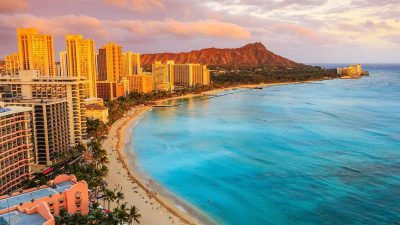
Hawaii’s beaches are undeniably breathtaking. However, the Pacific Ocean’s beauty masks its inherent power. Strong currents and unexpected waves can pose risks to even experienced swimmers. Prioritize safety by respecting the ocean’s power.
Here’s how to stay safe while enjoying Hawaii’s waters:
- Swim at guarded beaches: Opt for beaches with lifeguards, who are trained to identify and respond to potential hazards.
- Heed warning flags: Pay close attention to colored flags that indicate water conditions and potential risks. Red flags indicate hazardous conditions, while yellow flags suggest moderate risks.
- Never swim alone: Always swim with a buddy for added safety.
- Be aware of rip currents: Rip currents are powerful channels of fast-moving water that can quickly carry swimmers away from shore. If caught in a rip current, swim parallel to the shore until you escape its pull, then swim back to the beach at an angle.
- Respect marine life: While Hawaii’s marine life is fascinating, avoid getting too close to potentially dangerous creatures like jellyfish or sharks.
- Protect your skin: Wear reef-safe sunscreen with a high SPF to protect yourself from the sun’s rays. Reapply frequently, especially after swimming.
- Check the forecast: Stay informed about weather conditions and ocean forecasts before heading to the beach.
Hiking Safety: Exploring Trails Responsibly
Hiking in Hawaii is a fantastic experience, offering access to stunning waterfalls, volcanic landscapes, and lush rainforests. However, the islands’ terrain can be challenging, and weather conditions can change rapidly.
Follow these tips for a safe and enjoyable hike:
- Stay on marked trails: Venture off-trail to minimize your risk of getting lost and damaging fragile ecosystems.
- Inform someone of your plans: Let someone know your planned route and estimated return time.
- Check the weather forecast: Be aware of potential hazards such as flash floods or landslides, particularly after heavy rain.
- Pack essential supplies: Carry plenty of water, snacks, a first-aid kit, a map, a compass or GPS device, and a fully charged phone.
- Wear appropriate footwear: Choose sturdy hiking shoes with good traction to navigate uneven terrain.
- Be prepared for rain: Pack rain gear, as sudden downpours are common in Hawaii’s rainforests.
Sun Safety: Protecting Yourself from the Sun’s Rays
Hawaii’s sunshine is intense and can cause severe sunburns, increasing the risk of skin cancer.
Protect yourself by following these recommendations:
- Apply sunscreen liberally: Use a broad-spectrum sunscreen with an SPF of 30 or higher. Reapply every two hours, or more often if swimming or sweating.
- Wear protective clothing: Wear a wide-brimmed hat, sunglasses, and lightweight, loose-fitting clothing to shield your skin from the sun.
- Seek shade: Avoid prolonged sun exposure during peak hours (10 a.m. to 4 p.m.).
- Stay hydrated: Drink plenty of water to prevent dehydration, which can increase your sun sensitivity.
Petty Crime Prevention: Staying Vigilant
Hawaii is generally safe, but petty theft can occur, particularly in tourist areas.
Minimize your risk by following these precautions:
- Be aware of your surroundings: Pay attention to your surroundings, especially in crowded areas.
- Don’t flash valuables: Avoid displaying expensive jewelry or electronics, which can attract unwanted attention.
- Keep belongings secure: Keep your valuables locked in your hotel room or rental car trunk.
- Use hotel safes: Utilize your hotel’s safe for storing passports, cash, and other important documents.
Emergency Preparedness: Knowing Who To Call
In case of an emergency, knowing who to contact can save valuable time and reduce stress.
Prepare by:
- Programming emergency contacts: Save the phone numbers for local emergency services (911), your hotel, and the Visitor Aloha Society of Hawaii (VASH) in your phone.
- Familiarizing yourself with emergency procedures: Understand the emergency procedures for your hotel or rental property.
- Knowing your location: Be aware of your location at all times, in case you need to provide it to emergency responders.
Cultural Sensitivity: Respecting Local Traditions
Hawaii’s culture is rich and unique, so showing respect for local customs and traditions is essential.
Here’s how to be a respectful visitor:
- Learn basic Hawaiian phrases: Learning a few basic Hawaiian phrases demonstrates respect for the local language and culture.
- Dress appropriately: Dress modestly when visiting religious sites or attending cultural events.
- Ask permission before taking photos: Before photographing locals, especially in sacred areas, ask for their consent.
- Support local businesses: Support the local economy by patronizing local restaurants and shops.
- Minimize your environmental impact: Practice responsible tourism by reducing waste, conserving resources, and respecting natural environments.
Transportation Safety: Navigating Roads and Highways
Driving in Hawaii can be different from what you’re used to. Roads are often winding and narrow, with sharp curves and limited visibility.
Follow these tips for safe driving:
- Drive defensively: Be aware of your surroundings and anticipate potential hazards.
- Obey speed limits: Speed limits are strictly enforced in Hawaii.
- Avoid distractions: Refrain from using your phone or engaging in other distracting activities while driving.
- Buckle up: Always wear a seatbelt.
- Be aware of pedestrians and cyclists: Share the road with pedestrians and cyclists, especially in urban areas.
- Don’t drink and drive: Drinking and driving is illegal and dangerous.
Health Considerations: Staying Healthy on Vacation
Hawaii is generally a healthy destination, but it’s always wise to take precautions to protect your health.
Here’s how to stay healthy during your trip:
- Consult your doctor: Talk to your doctor about necessary vaccinations or medications, depending on your itinerary and any pre-existing health conditions.
- Pack insect repellent: Mosquito-borne illnesses are possible in some areas, so pack insect repellent.
- Stay hydrated: Drink plenty of water, especially during outdoor activities.
- Choose reputable restaurants: Select reputable restaurants and food vendors to reduce your risk of food-borne illnesses.
Enjoy your Hawaiian vacation! Remember, a little preparation can make all the difference in ensuring a safe and unforgettable trip.
Mosquito-Borne Illness Prevention: Staying Protected in Paradise
Key Takeaways:
- Hawaii is currently free of locally spreading mosquito-borne diseases, but the risk remains due to the tropical climate and presence of disease-carrying mosquitoes.
- Preventing mosquito bites is key to avoiding illness. Simple steps can drastically reduce your risk.
- Community efforts and individual actions work together for effective mosquito control.
Understanding the Risk
Hawaii’s tropical climate and abundant mosquito population create a potential risk for mosquito-borne illnesses. While these diseases are not currently widespread in Hawaii, it’s important to take precautions to protect yourself.
Preventive Measures
Follow these steps to minimize your risk:
- Apply repellent: Use an EPA-registered insect repellent containing 20-30% DEET, picaridin, IR3535, or oil of lemon eucalyptus. Reapply frequently, especially after swimming or sweating.
- Wear protective clothing: Wear long sleeves and pants, particularly during dawn and dusk when mosquitoes are most active.
- Choose screened accommodations: Choose hotels or rentals with screens on windows and doors to prevent mosquitoes from entering your living space.
- Avoid mosquito-prone areas: Avoid areas with high mosquito populations, such as stagnant water or heavily wooded areas, during peak mosquito hours (dawn and dusk).
- Check for bites: Regularly check yourself and your travel companions for mosquito bites.
- Report standing water: Support local mosquito control efforts by reporting any stagnant water or mosquito breeding grounds you encounter.
Addressing Concerns: What to Do If You Suspect Illness
If you develop symptoms such as fever, rash, joint pain, or headache after returning from your trip, consult your doctor immediately. Early diagnosis is crucial for effective treatment.
Additional Tips for a Worry-Free Vacation
- Pack a small first-aid kit with pain relievers and anti-itch cream.
- Stay hydrated to help your body fight off potential illnesses.
- Have a fantastic time! Hawaii’s natural beauty is worth the small effort of mosquito prevention.
Hawaii Department of Health: Mosquito-Borne Diseases
Travel Insurance: Protecting Your Investment
Key Takeaways:
- Unforeseen events can disrupt your Hawaiian vacation. Travel insurance is crucial for mitigating financial risks.
- Hawaii’s unique environment and potential for severe weather necessitate careful insurance selection.
- Policy types vary widely; compare features and prices before purchasing.
- Consider adding Cancel For Any Reason (CFAR) or Interruption For Any Reason (IFAR) coverage.
- Medical emergencies can be expensive; prioritize robust medical evacuation and expense coverage.
Assessing Travel Insurance Needs
Planning a trip to Hawaii is exciting, but what about unexpected events like lost luggage, a sudden illness, or a volcanic eruption disrupting your flight? Travel insurance can provide financial protection and peace of mind.
Types of Coverage
Familiarize yourself with common types of travel insurance:
- Trip cancellation insurance: Reimburses you for prepaid, non-refundable trip expenses if you have to cancel your trip due to covered reasons.
- Trip interruption insurance: Reimburses you for unused, non-refundable trip expenses if your trip is interrupted due to covered reasons.
- Medical expense insurance: Covers medical expenses incurred due to illness or injury during your trip.
- Medical evacuation insurance: Covers the cost of emergency medical transportation to a suitable medical facility.
- Baggage insurance: Reimburses you for lost, stolen, or damaged baggage.
Tailoring a Policy: What to look for
Selecting the right policy depends on your individual needs and risk tolerance.
Ask yourself the following questions:
- What activities will you be undertaking in Hawaii?
- What’s your budget for travel insurance?
- How tolerant are you of risk?
Comparing Providers and Coverage
Research different providers like Allianz, Travel Guard, and World Nomads.
Focus on:
- Coverage details: What exactly is covered? What exclusions exist?
- Claim process: How easy is it to file a claim?
- Customer reviews: Have others had positive experiences with the provider?
Medical Coverage: A Must-Have
Medical care in Hawaii can be expensive. A comprehensive policy with robust medical evacuation and medical expense coverage is essential, particularly given the remote aspects of some islands.
Protecting Trip Investments
Investing in appropriate travel insurance protects your financial investment and allows you to enjoy your Hawaiian adventure without worrying about unexpected costs.
Driving Tips: Navigating Hawaii’s Transportation System Safely
Key Takeaways:
- Hawaii’s driving laws prioritize safety, emphasizing cautious driving and strict child passenger regulations.
- Unique geographical and weather conditions necessitate cautious driving, especially in rain.
- Familiarize yourself with Hawaii’s specific driving laws before your trip.
- Always buckle up – seatbelts save lives. Children under four need car seats.
- Be mindful of pedestrians, especially in crosswalks.
- Avoid distractions like cell phones while driving. You could face heavier penalties for violations.
Mastering Hawaiian Roads
Hawaii’s roads present unique challenges, including winding mountain roads, sudden rain showers, and heavy traffic in urban areas.
Safe driving requires understanding local laws and conditions.
- Review the Hawaii Driver’s Manual: Familiarize yourself with Hawaii’s driving regulations before you arrive.
- Always wear seatbelts: Seatbelts save lives and are required by law.
- Use car seats for children: Children under four must be in approved car seats.
- Drive cautiously in the rain: Slow down significantly during rain, as roads can become slick quickly.
- Obey speed limits: Speed limits are strictly enforced in Hawaii.
- Yield to pedestrians: Yield to pedestrians, especially in crosswalks.
- Avoid distractions: Refrain from using your phone or engaging in other distracting activities while driving.
- Plan for rush hour traffic: Be prepared for heavier traffic between 6 AM-9 AM and 3 PM-6 PM.
- Understand rental car insurance: If renting a vehicle, ensure you are fully insured and understand the rental agreement’s terms and conditions.
Passenger Safety:
Even as a passenger, you play a role in ensuring a safe trip. Remind the driver to observe speed limits, avoid distractions, and follow traffic laws.
Beyond Motor Vehicles
Hawaii’s transportation extends beyond cars.
Keep these tips in mind:
- Use official buses and taxis: When using public transportation, choose official buses and taxis.
- Be vigilant when walking: Stick to well-lit areas and be extra vigilant at night.
- Wear a helmet when cycling: Wear a helmet when cycling and follow traffic laws.
Embrace Aloha, Drive Defensively
Hawaii offers breathtaking driving experiences. Enjoy them to the fullest, but remember that safe navigation means being prepared, responsible, and alert. By following these tips, you can enjoy a memorable and incident-free Hawaiian vacation.