Craving sizzling Wagyu cooked right before your eyes? While Waikiki is known for its stunning beaches and vibrant nightlife, finding the perfect Japanese steakhouse in Waikiki can feel overwhelming with so many options available. This guide cuts through the noise, highlighting where to find the best teppanyaki experiences and premium cuts the island has to offer.
At a glance:
- Discover top-rated Japanese steakhouses in Waikiki known for their quality and service.
- Learn what to look for in a great teppanyaki experience.
- Understand price points and what to expect for different steak options.
- Get insider tips on making reservations and avoiding common pitfalls.
Teppanyaki vs. Traditional Steakhouse: What’s the Difference?
Many associate “Japanese steakhouse” with the interactive teppanyaki experience. But it’s crucial to differentiate between a true Japanese steakhouse and a restaurant offering teppanyaki alongside sushi and other dishes.
- Teppanyaki: Involves chefs cooking on a large iron griddle (teppan) right in front of you, often with entertaining knife skills and fiery displays. The focus is on the performance and shared dining experience.
- Traditional Japanese Steakhouse: Emphasizes the quality of the steak, often featuring premium cuts like Wagyu, cooked with precision and presented with minimalist elegance. Think less “show,” more “steak.”
Knowing this distinction helps narrow your search; do you want dinner and a show, or are you primarily focussed on the quality of the meat?
Finding Your Perfect Japanese Steakhouse Experience
Consider these factors when selecting your Japanese steakhouse experience in Waikiki.
Quality of Ingredients
- Wagyu Grades: Look for restaurants that specify the grade of Wagyu beef they serve (A3, A4, A5 being the highest). A5 Wagyu, known for its intense marbling, will command a higher price point but offers a truly decadent experience.
- Local Sourcing: Some restaurants pride themselves on using locally sourced ingredients, including seafood and vegetables, which can enhance the freshness and flavor of your meal.
Ambiance and Service
- Teppanyaki Theatrics: If you’re after the full teppanyaki experience, check reviews and menus to see if the restaurant is known for its engaging chefs and elaborate displays.
- Attentive Service: From the moment you are seated, Japanese steakhouses are known for paying attention to detail making sure the customers are happy.
Price Range
- Teppanyaki: Expect to pay a premium for the teppanyaki experience, which often includes multiple courses and a built-in entertainment factor.
- Premium Wagyu: Prices vary significantly based on the Wagyu grade, cut, and portion size. Be prepared to spend upwards of $100 per person for a high-quality Wagyu steak.
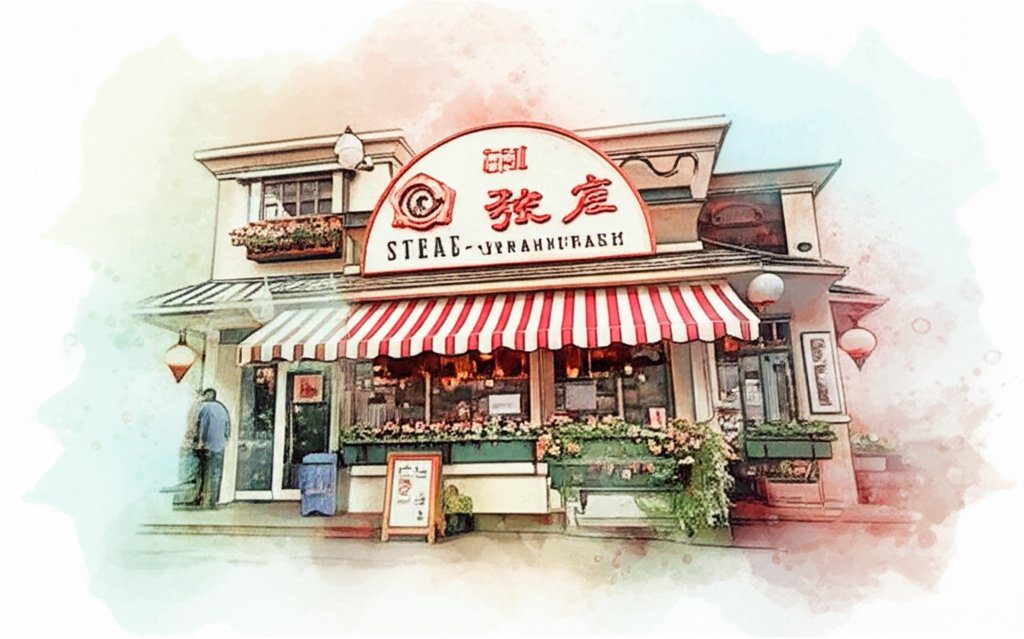
d.k. Steak House: A Long-Standing Waikiki Favorite
d.k. Steak House consistently receives positive reviews for its quality steaks and service. Open 7 days a week from 5:30 PM to 10:00 PM, it’s a reliable option for a classic steakhouse experience. While not strictly a “Japanese” steakhouse in the teppanyaki sense, d.k. Steak House offers a selection of high-quality beef cuts, prepared with precision and care.
Example: A couple celebrating their anniversary might choose d.k. Steak House for a romantic dinner, focusing on the quality of the steak and intimate ambiance.
Reservations: Essential for a Smooth Dining Experience

Given the popularity of Japanese steakhouses in Waikiki, making reservations, especially during peak season, is highly recommended.
- Advance Planning: Book your reservation several weeks in advance, particularly for dinner service.
- OpenTable: Utilize online reservation platforms like OpenTable to check availability and secure your preferred time slot.
- Direct Contact: For larger groups or special requests, consider contacting the restaurant directly.
Beyond Steak: Exploring Other Japanese Delights
While steak may be the star of the show at a Japanese steakhouse, many restaurants offer a variety of other Japanese dishes. This is where understanding the broader culinary landscape of Waikiki becomes relevant. If you’re looking to explore other Japanese options alongside your steak, it’s helpful to understand the breadth of Waikiki’s offerings. You can learn more about the full scope here: Waikiki’s Best Japanese Food.
- Sushi and Sashimi: Many Japanese steakhouses offer a selection of fresh sushi and sashimi as appetizers or side dishes.
- Seafood Options: Grilled or pan-seared seafood, such as lobster, shrimp, and scallops, are often available as alternatives to steak.
- Vegetarian Options: For those who don’t eat meat, inquire about vegetarian options, such as grilled vegetables or tofu dishes.
Sansei Seafood Restaurant & Sushi Bar – Waikiki: Something for Everyone
Sansei offers a compelling value proposition. They are open 7 days a week 5:00 PM to 9:30 PM (Last seating 9:00 PM. Kitchen closes 9:30 PM) and even boast an early bird special – 50% off food & sushi Sunday & Monday 4:45pm-5:30pm dine in only No reservations. This may not be a steakhouse but it offers other japanese delights.
A Quick Guide to Ordering Steak Like a Pro
Navigating a Japanese steakhouse menu can be intimidating. Here’s a quick guide to help you order with confidence.
Understanding Wagyu Grades
- A5 Wagyu: The highest grade of Wagyu, known for its exceptional marbling, tenderness, and flavor. Expect a premium price.
- A4 Wagyu: Still a very high grade of Wagyu, offering excellent marbling and flavor at a slightly lower price point.
- A3 Wagyu: A good option for those looking for a more affordable Wagyu experience.
Choosing Your Cut
- Ribeye: A richly marbled cut known for its flavor and tenderness.
- Sirloin: A leaner cut that is still flavorful and tender.
- Filet Mignon: The most tender cut, but also the leanest.
Specifying Your Doneness
- Rare: Cool red center.
- Medium Rare: Warm red center.
- Medium: Pink center.
- Medium Well: Slightly pink center.
- Well Done: No pink. (While some steakhouses will oblige, ordering Wagyu well-done is generally discouraged as it can dry out the meat and diminish its unique flavor.)
Common Pitfalls and How to Avoid Them
- Overpaying for Low-Quality Wagyu: Always inquire about the Wagyu grade and source before ordering. If the restaurant is vague or unwilling to provide details, it may be a red flag.
- Not Making Reservations: Waikiki’s Japanese steakhouses are popular, especially during peak season. Secure your reservation well in advance to avoid disappointment.
- Ignoring the Sides: Many Japanese steakhouses offer delicious sides, such as garlic rice, miso soup, and grilled vegetables. Don’t overlook these accompaniments, as they can enhance your overall dining experience.
Teppanyaki Etiquette: A Few Things to Keep in Mind
If you opt for the teppanyaki experience, here are a few tips to ensure a smooth and enjoyable meal:
- Be Prompt: Arrive on time for your reservation, as teppanyaki tables often operate on a strict schedule.
- Engage with the Chef: Teppanyaki is an interactive experience, so feel free to chat with the chef and ask questions about the food.
- Show Appreciation: It’s customary to tip your teppanyaki chef for their service and entertainment.
Quick Answers: Your Burning Questions Answered
- Is it worth paying extra for Wagyu beef? If you’re a steak lover and appreciate high-quality ingredients, Wagyu beef is definitely worth trying. The intense marbling and rich flavor offer a unique culinary experience. However, be sure to choose a reputable restaurant that serves authentic Wagyu.
- What’s the best way to cook Wagyu at home? Wagyu is best cooked using high heat and minimal seasoning. A cast-iron skillet or grill works well. Be careful not to overcook it, as it can dry out quickly.
- Are there any budget-friendly Japanese steakhouse options in Waikiki? While Wagyu is generally expensive, some restaurants offer more affordable steak options, such as sirloin or ribeye. Look for lunch specials or early bird discounts to save money.
Your Steakhouse Decision Tree
To summarize, here’s a quick decision tree to help you choose the perfect Japanese steakhouse in Waikiki:
- Am I looking for a dinner with a show?
- Yes: Opt for Teppanyaki
- No: Consider a traditional Japanese steakhouse (focus on quality of cut)
- What is my budget?
- High Budget: Explore A5 Wagyu options.
- Mid-Range Budget: Look for A3/A4 Wagyu or premium cuts like Ribeye or Sirloin.
- Budget-Conscious: Check for lunch specials or set menus.
- Make a reservation in advance based on the above.
You’re now equipped to confidently navigate Waikiki’s Japanese steakhouse scene. Enjoy the sizzle!